i am david brothers’s newsletter 001: life isn’t hard enough, so i play sekiro

Hello, this is i am david brothers’s newsletter!

An awkward name, but is it a memorable one? Will I be able to hit a weekly pace? What kind of newsletter will this be? How stripped back and lo-fi can I make it? Let’s find out together.

Here’s some stuff I liked recently:
Mon Oncle (1958). Banger comedy. Wish I heard of Jacques Tati as a kid.
Friendship (2025). Banger comedy for completely different but also similarly awkward reasons.
-David Byrne’s American Utopia concert film, directed by Spike Lee. Team Beloved stays winning.
-Shinsuke Nakamura’s King of Strong Style: 1980-2014. Please…please…let Nakamura be Hiroshi Tanahashi’s final opponent.
-Charlie Huston’s Catchpenny. This guy’s prose is really pleasant. I’ve been a fan for ages.
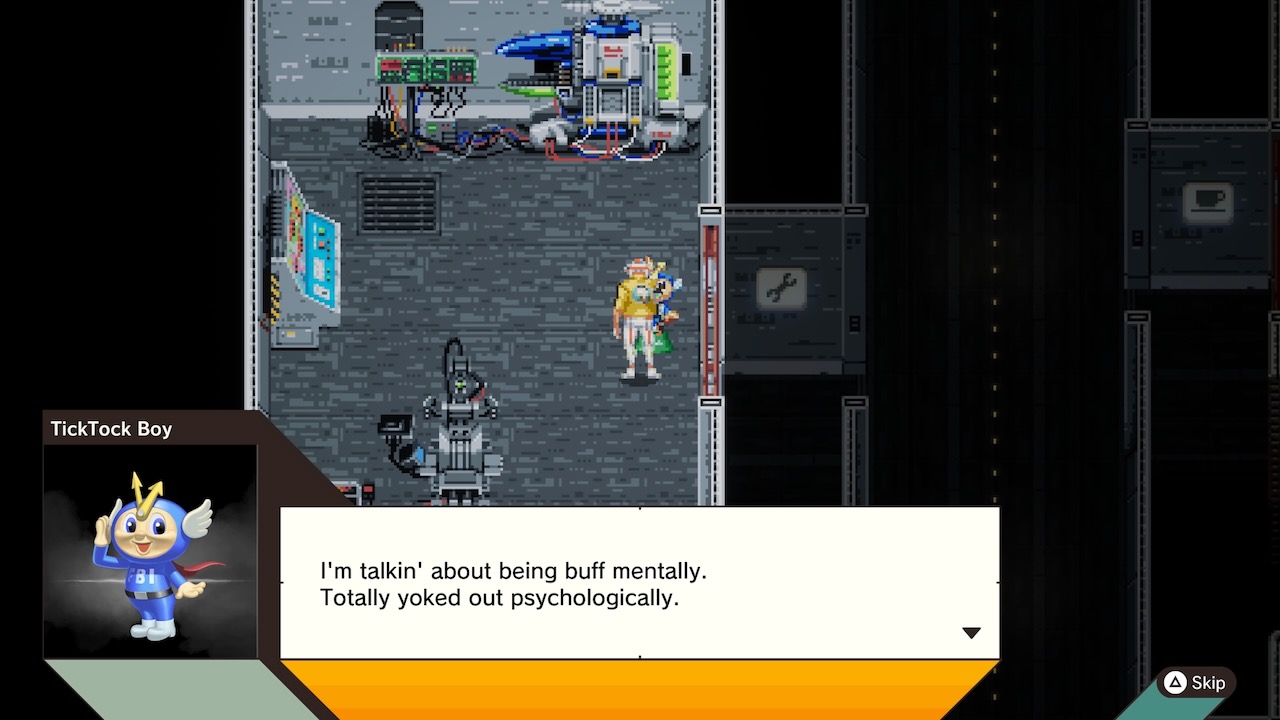
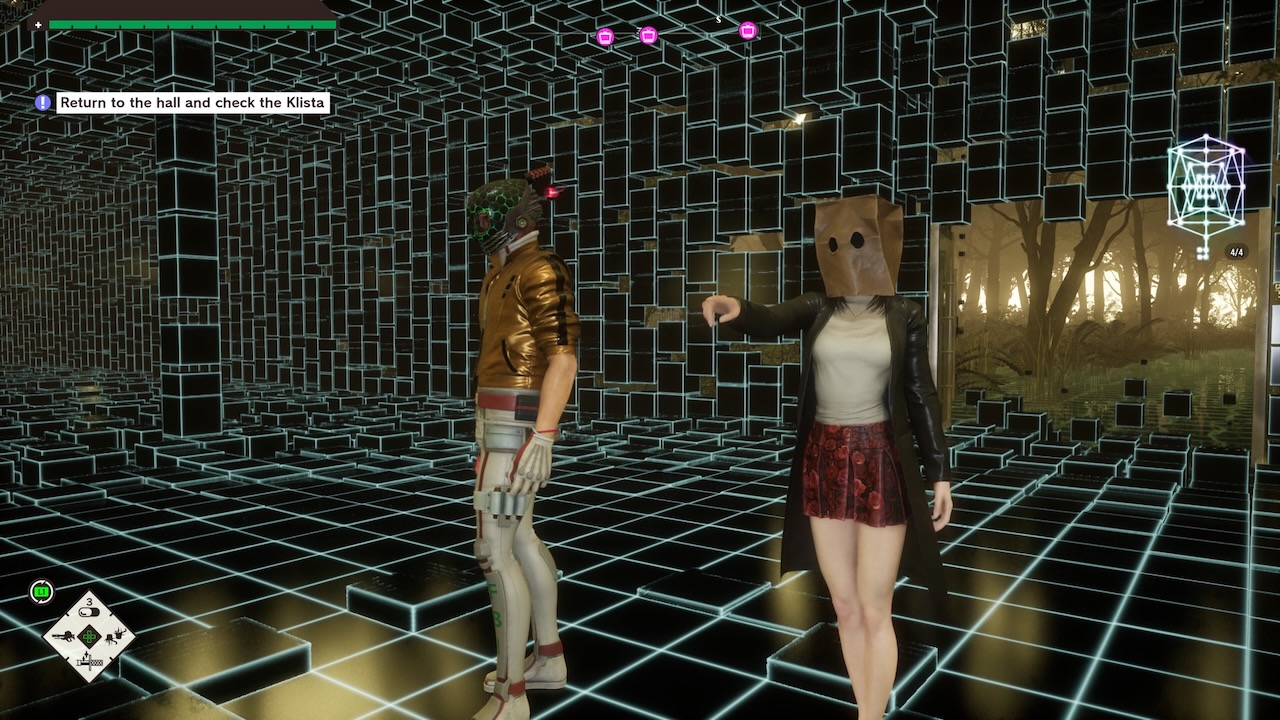
Death Stranding 2. More on this soon.
Absolum. Someone said “influenced by Streets of Rage 4 and Dragon’s Crown” to me and I woke up a week later with hours of co-op time logged with a friend. Great game. Had to make myself put it down at one point.
-Katsuyori Shibata vs Yuji Nagata during New Japan Pro Wrestling’s 2014 G1 Climax 24. Black trunks forever, but Nagata really brings it.
-I got a bike, after eight years without one. Turns out the wind in your face is still a great feeling!

This is some stuff that’s been on my mind:
The ways we experience video games and difficulty is something that’s really interesting, in part because the specific ways we usually discuss it online are kind of insufficient to me. It makes for a strange experience as a reader, with tomfoolery like arguing against an essay you vaguely agree with because the way they approach the subject is repellent. Crossing your arms, “Not like that.” And so forth.

As an example (with peace and love!!), I didn’t much like this essay on the Innerspiral blog by Alli, titled “Difficulty Isn’t Everything.” It sorta lost me by the end of the first paragraph, but I saw it through to catch the perspective and follow the conversation. I did like this essay on a tangentially related wave by Chris Person on Aftermath, “I Love Silksong Even When It Bugs Me”, which is about a friction in game I don’t even plan to play. (I didn’t really play the first one.)

I think “I Love Silksong Even When It Bugs Me” succeeds by drilling down into specific experiences in Hollow Knight: Silksong, while the other essay falters due to being so broad that it just barely coheres. “Difficulty Isn’t Everything” has an aside about how difficulty is the result of capitalism and we shouldn’t prize it so highly accordingly, and that’s not wrong, but it ain’t exactly right enough to be true, either. It feels a bit like arguing against the worst possible person’s points on a subject, like a weird detour in an argument I’d like to understand better.

I liked one, disliked the other, and sharing both of them with friends who share a variety of perspectives with both pieces led to an hour or two of good conversation about disability-related accessibility and basic access, elitism, difficulty, personal capabilities, and the importance of arguing your points well, rather than trying to cover everything in one big whack. I came away feeling the same away about the pieces and their perspectives, but bouncing those ideas around with my own and those of my friends for a while made for a very enlightening and good time.

I think these two were a good point of comparison because they aren’t talking about the same thing at all, outside of the general idea of a conversation about difficulty. It’s more like, these two are tackling difficulty from different angles, and one was successful than the other for me in ways I didn’t expect, due to my lack of familiarity with Hollow Knight.

I think the crux of my dissatisfaction with the overall difficulty argument is that, for the most part a lot of it feels like jabbing at easy targets or strawmen, as if normal people don’t play these games too. It doesn’t always feel like a real argument online so much as a bloodletting where two sides take aim at the worst of each side. It’s good to get granular on this conversation. I think difficulty as a concept is frequently so broad or personal that we aren’t always talking about the same thing either, but I’m grasping the argument better than I have been. I plan to keep reading essays from both sides and seeing how things go, because I heard once that if you keep touching a hot stove, you eventually develop an immunity.

Me, I just think it’s good if there’s games for everybody, including games that are made for people who need to be punished in order to have a good time (sickos, with peace and love). That game Absolum that just came out, it has an Assist Mode with some pretty nicely varied options for making the game easier/more exciting for yourself, which was cool to see even though I mostly just play with default settings on almost every game. It does a good job of cleanly expressing what kind of game it is and who it’s aimed at, even if it doesn’t scratch the same sicko itch as, say, Sekiro.

Picking this thread up again a few weeks later, because I started writing this newsletter in the summer when I watched Mon Oncle and am finally finishing it in the fall:
After spending an hour streaming Sekiro: Shadows Die Twice for the first time in a while, just running through some familiar challenges and exorcising a long day, a different difficulty-related question came to mind: what makes the difficult games still fun once you’ve learned the fight that was so difficult in the first place? Sekiro is still a challenge, but now I fight Isshin Ashina on purpose for fun, not because I’m trying to climb his mountain and complete the game. There’s something that draws me back to this game in particular.

FromSoftware is good at making fights that are always a threat, but once you grasp the threat, you can dance around it. Ten, fifteen minutes into my stream, I was remembering old tricks, taking big risks that would mostly pay off, and making things harder on myself with different items. I mostly play without buffs and just swordplay, but I wanted to mix it up and play with some effects more. I kept falling back on old tricks or finding out that my big idea was actually just a good way to get triple smacked by the Corrupted Monk.

It’s still punishment, but punishment of a different stripe, right? The risk of taking a big L is always going to be there, but the nature of the achievement when you win has changed. I don’t think you can separate the knowledge check and DPS check aspects of these fights. “Do I know what’s going on enough to survive the fight?” and “Can I do enough damage to kill the boss before they kill me?” are still the foundation. But completion adds a third pillar.

Honestly, it’s probably similar to the ghosts in Mario Kart or something. “Here’s what I did last time. Can I do better this time?” Doing a 5K again and again, shaving time. It doesn’t quite feel like that, but it’s gotta be in the ballpark.

Anyway, it turns out Sekiro is comfort food, similar to Tekken. I felt good after playing in a way that I usually don’t even after playing other games that I enjoy greatly. Great games to toss on for five, ten, twenty minutes or a few hours after work on a Friday night. Speaking of, my, look at the time…!

Okay, here’s some more stuff to check out:
-I like Ben Passmore’s work, and his new book looks good. Cheryl Klein speaks to him at PW in brief about his new bookCheck out his Instagram too, he does this weekend culture Q&A bit that I try to catch each week.

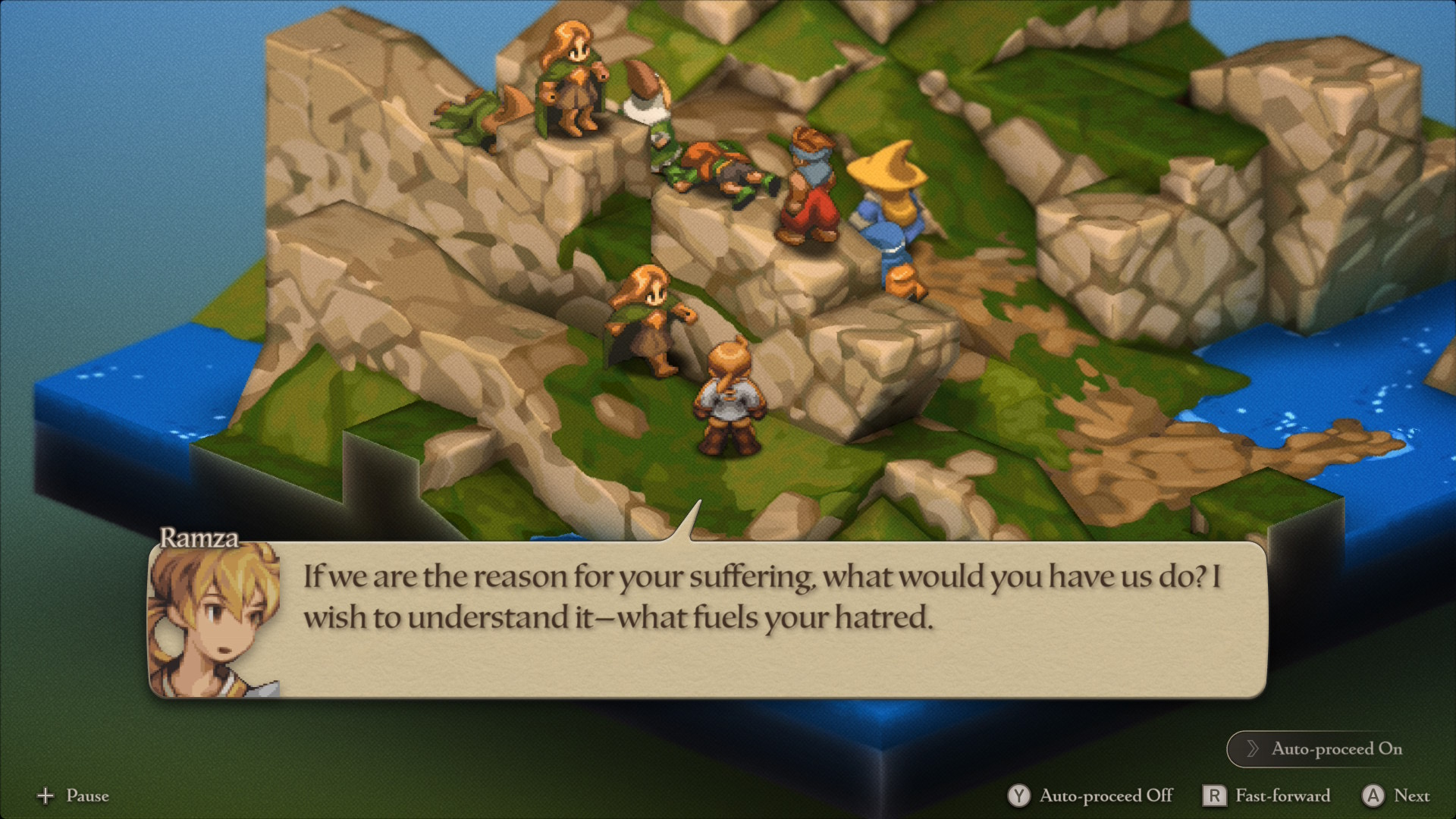
Final Fantasy: The Ivalice Chronicles came out recently. It’s great, a worthy remake/remaster of an all-time favorite game. I’ve been playing it on Tactician difficulty, less for sickos reasons and more because I think FFT is probably my all-time most-played game outside of the Madden franchise circa ’94-’08 and NBA 2k ’10-’16 or so, and switching it up sounded nice. I breezed through Dorter Slums, a notorious early difficulty spike, and then got bopped in a random battle right afterward. I’m having a great time. It’s like putting a puzzle together in a new configuration but still quite achievable. I hate grinding, so I’m really discovering the limits of my cleverness. I don’t think I’ll get spoiled on this one, so I’m really spacing this one out, just doing a couple battles a week.

a screencap from Final Fantasy Tactics. it features a young nobleman saying, "If we are the reason for your suffering, what would you have us do? I wish to understand it—what fuels your hatred."

Do me a solid and pick these up:
Good Devils: Don’t Play Fair With Evil one-shot: Since 2021 or so, Nick Dragotta and I have been doing little comics, homages to our faves and fresh tales both. We put them together in a package called Good Devils, named after the opening story in the mix, and Image Comics published it. We’re grappling with Fist of the North Star and ducking Hajime no Ippo in this one. Get it from your comic shop, as an ebook, or on the Hoopla library app, my main way of reading comics. I chatted with James Boyce of the FAQs Project about it, and Nick and I both talked to fellow Team Beloved MVP David Harper for Off Panel.
Perfect Crime Party: This one is a collection of stories about the perfect crime. Not a murder you get away with—softer stuff than that. It has a short story that was drawn by Alissa Sallah and written by me, and comes via Iron Circus Comics. You can check out more of Alissa’s work on the VIZ one-shots platform. She did one called “Sun Tribe: Waffle Shack Index” that’s a lot of fun. Our two stories are very different from each other, too. She’s got range! Follow her on instagram.
All-Negro Comics: This one was edited by Chris Robinson, and published via Image Comics. I contributed an essay to it, and I’m thrilled to be a part of it at all. You can listen to a podcast conversation between Chris Robinson & James Boyce of the FAQs Project here.

Here’s something that really blows my mind:
Years ago, I was on staff at Image comics, and one duty I ended up with was running a magazine called Image+, sort of a catalog/preview/hype machine. We did a launch party for it at the then-newly founded Cape & Cowl Comics in Oakland, California. It was a nice time, and certainly the first time I was the center of attention in that specific way.

Years later, ten of ’em in fact, and Cape & Cowl is celebrating their anniversary on November 8th, and I’m re-invited! Nick Dragotta and I released Good Devils: Don’t Play Fair With Evil via Image Comics in October, and it seems like people dig it. (I’m hoping we eventually do Absolute Batman numbers, personally.) Nick’s coming to town to celebrate the release, and Daniel Warren Johnson and James Harren are coming with him.

Cape & Cowl puts on a good show. I’ve been behind a table at two of their Cape & Cowl Cons, been to a couple drink & draws, and did a big signing there with Chip Zdarsky for Time Waits. (We wrote that one together. Marcus To drew it.) I’m looking forward to the event and hanging out over there a bit more. It’s an easy bike ride for me.

I’m saying, check out these promo posters:

a poster for Cape & Cowl's 10th anniversary party and food drive on 11/8, featuring David Brothers, Nick Dragotta, Daniel Warren Johnson, and James Harren. a Batmannish superhero looms in the background of the image, under the Cape & Cowl logo. a poster for Cape & Cowl's 10th anniversary party and food drive on 11/8, featuring David Brothers. David looks out at the camera, bearded and in glasses.


Look, ma. I made it. Sometimes life is good.

Does helping people make you feel better?
The Alameda County Community Food Bank is going to be pretty crucial in the Bay Area this winter, I think. Check them out here and look around for a local org that serves a similar purpose. Somebody out there is helping, and can help you help others.

That’s it.

Don’t forget to buy All-Negro Comics: 75th Anniversary Edition!

I’ve spent the past month shilling a project by me and Nick Dragotta (please preorder Good Devils: Don’t Play Fair With Evil one-shot, Lunar code, before 9/8! on sale 10/1!) but the October release I’m most excited about is the release of All-Negro Comics: 75th Anniversary Edition from Image Comics in late October/early November in a new softcover edition.

The cover to All-Negro Comics. It says All-Negro Comics: America's First Black Comic Book.

Three quarters of a century ago, Orrin C. Evans lead a team of cartoonists to create the first comic book anthology of original Black characters created by Black talent, with the expressed purpose of entertaining while rejecting harmful stereotypes and pushing boundaries in the industry. This was only 8 years after Action Comics #1, 6 years after Captain America #1 and a whole 19 years before Black Panther hit the pages of Fantastic Four.

All-Negro Comics #1 should be among those revered moments in comic book history, but the original print run was quickly removed from newsstands and faded into obscurity, remaining largely unknown for 75 years…until now.

All-Negro Comics 75th Anniversary Edition (an Eisner Award-winning collection) preserves that history for generations to come, containing All-Negro Comics #1, in full and digitally remastered for clarity, several essays for historical context and contemporary reflection, as well as new stories by Black writers and artists of today, featuring the original characters.

I first wrote about the project back in 2010, and I’ve been hoping for a reprint of it ever since. From the moment I heard about it, I knew it was special…and out of reach. There were scraps online, roughly scanned or photographed panels from a pretty rugged edition, but nothing resembling a proper cover to cover scan. It was a book I knew about but figured I would never see, a lost bit of Black history. I can tell looking back at the old post that I was really looking for something to connect some dots for me, and this book felt like it would have been a help, if I could find a copy.

Fortunately, editor Chris Robinson is way smarter than me. He went out and fulfilled what I’d been dreaming about. He ran a Kickstarter to put together a nice hardcover. The new Image Comics edition is an affordable softcover version of that project. He commissioned a few new tales alongside the old ones, and I even got to write an essay for the project, “Hip-Hop and Comic Books was My Genesis.”

The reprint of All-Negro Comics isn’t my project, not exactly, but I really do feel weirdly proud and thrilled that it’s coming out. I think it’s something you should pay attention to. I tabled at Cape & Cowl Con in the Bay Area a couple weekends ago, and brought the All-Negro Comics hardcover with me to show people and try to talk the book up a bit while selling comics. I live in Oakland, Berkeley is just over there. This is Black History Country, you know what I mean? And I was still surprised and thrilled at just how into the book people seemed to be, how energized people sounded. It’s a remarkable project.

If you work at a library or school especially, please check this book out. I spoke with people who are a part of various local library systems and they all saw the vision, but every voice helps in a chorus.

I’ve got some preview pages courtesy of Chris to close this out, and in lieu of a proper conclusion, here’s a bit from my essay that may help convince you:

The cover to All-Negro Comics #1, featuring a variety of Black characters getting into hijinks in a circular formation around the center. The opening page to the strip In a page from
In a page from in a page from

The point about artists really sticks with me, though. The original sin of comics is the exploitation of the people that make them, and the American comics industry has lurched toward and away from different levels of fairness ever since. All-Negro Comics #1 was meant to open doors that I like to think are getting closer to wide open now. Today, the playing field has leveled some, though of course not all the way. But still, a lot of artists who would’ve once been marginalized by the gatekeepers in their chosen field have found an audience of people who are eager to hear what they have to say, and some have gone on to incredible success, by speaking directly to the people who are eager to be spoken to. In a very real way, All-Negro Comics was meant to do a very similar thing.

All-Negro Comics: America’s First Black Comic Book (ISBN: 9781534331150, Lunar Code 0825IM0457) will be available at local comic book shops on Wednesday, October 22 and independent bookstores, Amazon, Barnes & Noble, Books-a-Million, Indigo, and Waterstones on Tuesday, November 4.

I Got A Date With The Night [Elden Ring: Nightreign]

I finally beat the last boss of Elden Ring: Nightreign a while ago.

Years ago, I worked a job that meant getting off work around 8pm or later every Friday. The nature of the job meant that Friday was a long day, and one way we coped with that at the gig was with basketball. We went to a lot of Warriors games on their championship run, but that wasn’t the only special treat. To mark the end of a long day at the end of a long week, a couple of us would get into a car and drive to a gym one or two towns over. In that gym were a bunch of other workaholics and basketball sickos, all of them waiting for enough people to show up (2, 4, 8, 10!) to get a real game in instead of endless warmups.

Pick-up basketball is a beautiful thing. There may be a couple people who might as well be in NBA shape for how good they are compared to everyone else, but generally, you’ve got a lot of folks who are medium-good, but maybe have a specialty that gives them confidence.

People pick teams based on experience and vibes. People play their positions, but are otherwise hard to consistently predict. You’re golden when you see familiar faces wearing jerseys. But you don’t always get to have that experience, so you gotta be willing to put the ball in the hands of randos, too. Maybe the short guy can shoot, maybe the tall guy has handles. I’ve met monster centers at pick-up games, dudes who are maybe 5’8″ but have practiced nothing but rebounding and boxing out regular degular guys like me for thirty years. The LeBron Jameses of boxing out.

Playing with randos is fun in a different way than with the homies. You know what the homies can do, and you have a shared language to lean on. Aaron Accountant is great from outside, Gary GameStop is good at drawing double teams, and Bobby Burger King isn’t good at shooting but is good at setting picks. You can plan around it. With randos, you gotta trust them, and the revelation that comes from that trust can be a lot of fun.

Can this guy actually drive when he calls for the ball? Can the cat who called point thread the needle and feed you when you’re open? Is this 6’4″ dude ever gonna dunk or is he here to hold up the ceiling?

It’s a gamble, and when it pays off, it’s beautiful. We might as well have been the Dream Team for how good some of those games felt when you’re all exhausted, trying to figure out where your ball went, and trying to wipe off all the sweat before you get back into the car.

We usually went to In-n-Out after that. Perfect Friday night.


Youtube embed: “HOP ON NIGHTREIGN” by Keith Garces
Something about the extended time you spend together in FromSoftware’s Elden Ring: Nightreign, and the limited communication options available when playing with randos or full voice chat when playing with friends, makes the game feel similar to pick-up basketball to me. If you don’t play basketball, imagine the doubles table tennis dynamic, and that’s basically close enough for government work. If you don’t know table tennis…er…Mario Kart Double Dash?

Part of the fun of sports is giving myself over to the team and trying to get us all over the finish line, and Nightreign is very much that kind of game. You have to be aware of what your teammates’ characters are capable of, in addition to their actual human skill at performing those actions. If you try to play it alone instead of joining the team of three, you’re probably going to ruin the experience for everyone. Sometimes you get hard carried by the neighborhood Steph Curry, who is always down to run up the score or splash a Guardian ult on both downed teammates from across the map, nothing but net to rescue the run. That’s a different kind of thrill, a rare experience, but I do prefer the “all in it learning together” struggle.

Sometimes you don’t mesh and the games suck. Your team gets off to a weird start or prioritizes awkwardly-placed locations, so your weapons and levels are out of whack when you get to the boss fight at the end of the night. Life happens. You’re still presenting a united front against the enemy, whether that enemy is a formidable opposing basketball team or the red-eyed Bell-Bearing Hunter, but you’re not enough of a team. You’re moving as three, when you should be moving as one.

But most times out of ten, at least in my experience, when a bunch of people get together to accomplish a shared goal, there’s a level of submission to the team involved, of figuring out the best way to belong instead of the best way to lead. Being open to playing with randos in this game means being surprised when they go off on their own, but also being surprised when they show off great game sense or a really team-oriented kind of gameplay. Runs are up and down, but mostly, they’ve been up, and I think that makes for a really pleasant time. The game is still 45 minutes of hard focus and then back to zero, but when you’re cooking, you’re cooking as a unit.


Youtube embed: “ELDEN RING NIGHTREIGN: we take those” by David Brothers
There’s nothing like cooking when playing with friends as a duo or trio, though. Being able to chat with a friend changes how much strategizing you can do, and also how much nonsense you can get away with. If your friend is money from three (an expert at dodging boss attacks), then yeah, maybe a reckless pass out to the perimeter (reviving you right underneath the boss without an ult) is actually a good idea. Getting a third that’s down to clown is great too, because you can be sure to include them via pings and playing close, while simultaneously figuring out ways to take advantage of your efficiency over voice chat.

Elden Ring: Nightreign is a banger of a game. The first night boss felt insurmountable on week one, but now that we’re a few weeks in, I’ve gone on a few dozen runs, taken down the last boss of the game, and had the time to come up with some good relic presets for my Duchess character. Next for me is helping another friend through the game like I was helped through the game, sharing the knowledge I picked up playing duos and getting closer and closer to being the Nightreign equivalent of the guy who spent thirty years boxing out.

(If you follow this metaphor to the logical end point, the Bell-Bearing Hunter at the bottom of the castle is the guy “who tried out for the G-League” who shows up every now and then and ruins things for everyone. Sure, it’s possible you could take him. But you’d have more fun turning around and going home instead of suddenly being a supporting character in somebody else’s single player game.)

I spent most of my video game time these past few weekends on playing duos with friends and the occasional full rando game, and even on runs that went south or had someone quit out, I still ended up having a great deal of fun. I’m hooked, and it has me wanting to get back to Elden Ring and even more excited for The Duskbloods.


Youtube embed: “ELDEN RING NIGHTREIGN | Bring Me to Life Trailer” by Bandai Namco Entertainment America
Elden Ring was directed by Junya Ishizaki, along with Lead Programmer Yuki Kido and Lead Battle Designer Takuya Miyazawa. I still need to get the achievement for beating a boss with all the characters, but I’ve got everything else. This game hit me like a ton of bricks. I had two bad runs against Everdark Gaping Jaw on Sunday night, hit a friend on Discord, and then we re-enacted the “Hop On Nightreign” video above and cruised to a win. They’re adding solos this week. It’s over for me.

(If you like posts like this, there’s a subscribe button on the left to get it in your inbox on an irregular but aspirationally weekly schedule.)

“So long as the sun shines to light up the sky, we in this together.” [Monster Hunter Wilds]

I used to be the panel moderator for Image Comics, a fair number of years ago now. It was a nice gig because I had minimal oversight and talking about art is a great pleasure, so I got to sculpt the conversations and panels in a direction I enjoyed, which ended up being a direction that the crowd responded to, which in turn gave me more freedom. I used to think of it as “live comics criticism.”

Anyway, I met and chatted with a lot of comics creators in that gig. I got to see how they moved with their fans and what pain points there were in the relationship for them along with the benefits. Some responded to the fan-creator relationship by running from it and avoiding their own discomfort with the imbalance or connection. A few cultivated a fandom around them, and others simply tolerated it as a necessary but maybe awkward part of the game. There’s a variety of ways to deal with having fans (or followers, or friends online, or whatever whatever you would like to plug in here), and I always appreciated seeing and working with the people who had clearly put some thought into the relationship between fan and creator, who thought about that maybe-gentle/maybe-not power imbalance and made it a point to move very carefully when interacting with people in general, not just fans.

It’s very easy to show up somewhere new and break it with your mere presence. Think of a group of kids playing card games for quarters, and an adult rolling up with a ten dollar bill for their buy-in. The game is broken. The adult can lose a quarter, and none of those kids can match their bets. Sometimes, showing up somewhere as a creator has a similar effect, whether it’s a chilling one or an energizing one.

The folks I learned the most from had clearly taken a moment to think about the terrain of comics and fandom and their place in it before pushing in and building a place for themselves, by themselves.

A moment’s care goes a long way, right?


In Monster Hunter Wilds, directed by Yuya Tokuda and written by Shino Okamura, you play as a hunter who is part of Avis Unit, the vanguard of an expedition force to the Forbidden Lands. These lands are harsh, have been isolated for over a thousand years, and were presumed uninhabited until a young boy named Nata was found there, telling a story about a “white wraith” that attacked his people. The Guild, an organization which oversees hunters, sends a research expedition to the Forbidden Lands to both return Nata to his home and learn exactly what’s going on.

In terms of gameplay, once you’re inside the Forbidden Lands, you’ll hunt monsters to make armor and weapons to hunt tougher monsters until you eventually save the day through the power of hunting monsters.

The Monster Hunter franchise has a couple of my favorite styles of gameplay, both the traditional hunting gameplay loop of “stock up, go fight, use your rewards for more” and a more ad-hoc system for answering requests for assistance from other hunters. I fell in love with the franchise with Monster Hunter World, and was greatly looking forward to Wilds. I figured the worst case scenario was that I’d have just another Monster Hunter game to play alongside Monster Hunter Rise: Sunbreak and Monster Hunter Now. “Oh no, don’t throw me in that briar patch!”

What I found really pleasant and remarkable about Wilds was how it presents exploring an inhabited area in an interesting, thoughtful way. Contrary to how it’s gone just about every time in real life, Avis Unit makes it a point to not just get in there and murder monsters, but to speak to the villagers who are affected by the rampaging creatures or may be adversely affected by your actions. Many quests come from villagers themselves, and in a nice bit of ludonarrative consistency, the Guild oversees your actions. Hunting things you’re not supposed to hunt—a rare opportunity once you’re past the story mode, but gamers will find a way—means that you don’t get any rewards for that effort.

Hunters are assisted by handlers, who serve as the eyes and voice of the Guild in the field. Alma is the handler in Wilds, and after you hunt a monster, you can find her quickly taking notes and making sketches of the monster in her journal. At the top of each hunt, she grants you authorization by saying “By order of the Guild!”

You hear it so often it almost becomes cliché. When you speak to her at base camp, Alma almost always lets you know that a new quest has come in for you, or someone has requested your services, or that there’s something only you can handle. You can’t play the game without receiving marching orders, similar to how Call of Duty games occasionally place you in a unit rather than commanding one.

Alma is our oversight. Many games rev you up and set you loose to save the day, even ones with a military command structure of some type. Monster Hunter Wilds reminds you again and again that you are part of a unit and you are fulfilling a role. There are elements of a Lone Man story in there—look at what kinds of things you beat single handedly, for instance—but the narrative always circles back to your hunter being part of a larger whole, to your hunter being needed, rather than moving as they desire.

Seeing comics creators that cared about their fans enough to be intentional about their interactions meant a lot to me. That job exposed me to a lot of people from a lot of different walks of life, and many, many of them were vulnerable in one way or another. It isn’t that people are fragile, I think, but more that you never know what kind of effect you’ll have on someone, so it’s better to aim for a good one than to not care at all, maybe. It’s still a work in progress.

Similarly, Monster Hunter Wilds is on sale in a world where taking is the rule on a large and small scale. Does Silicon Valley become what it is now without Ellis Act evictions altering the face of San Francisco? Does America become what it is without the blood of basically  everyone? This could very easily be a story where you swoop in and save the day, and in a way, it still is. You’re still the key component of the story, Player 1. But I really appreciate the narrative leaning so hard on the idea of you existing as a part of a whole that is itself part of a whole, like nesting eggs of responsibility.

You aren’t Chris Redfield or Dante or even 2B. You’re closer to one of the Dolls from Street Fighter in that you’re not the only show in town. You’re a member of Avis Unit. You are a hero, not the hero, and even that is situational. Sometimes you’re the guy that needs to spend half an hour fishing or picking plants to craft into consumable items later.

This narrative focus tied together what I understood about Monster Hunter’s gameplay and settings for me. It isn’t that the other games don’t make sense in some way—it’s just that this one made the mindset of the Guild crystal clear in a way that really clicked with me. It’s a small part of the story, backgrounded enough to almost be considered setting unto itself in some ways, but it resonates.

“What does a hunter do?” is a question that rings through much of Wilds. And, you know, the answer is basically “be strong enough to protect everyone and beat the last boss,” but delivered in a typically hype video game-y way. (I cried.) But it’s a more interesting question when you apply it to the rest of the game, too. If you are the quintessential hunter, the prototype who does everything right more often than not, what are you doing?

Hunters are there to learn about the area first and to hunt second. You meet a ton of people in Wilds, and as the story progresses, your relationship grows to the point where they’ll invite you to a group meal, which will in turn supercharge your stats for a bit. You can barbecue food alone in the field, too, but it’s different with people.

Hunters put people first. You frequently meet monsters which have grown enraged or sick and pose an imminent threat to the locals or environment itself. While you, as a gamer, can go out and hunt basically whatever you want, whenever you need it, you, as a hunter, are given a good reason for the hunt first.

Hunters understand the terrain, literally and figuratively. Monster Hunter Wilds encourages you to take advantage of the environment. You can use mushrooms to heal yourself, and you can create traps and offensive advantages by knocking down vines, breaking rocks, or starting floods. Narratively, learning about the people who live in the land you’re exploring is not optional, and in fact the point of the entire thing.

Your character in Monster Hunter Wilds is there specifically to learn, not conquer or kill, and everything else follows from that. Monsters are hunted when they’re a threat to the villagers or their surroundings. Knowledge is shared for the good of all, with your perspective providing new solutions that the inhabitants may not have been able to reach, and their perspective providing ways to move and operate safely and efficiently.

Similar to my experience with Armored Core VI: Fires of Rubicon, though not really as intense, I found my self driven to play the game as if I were subject to the rules of the world, rather than the rules of the game. What does my hunter do? How does my hunter behave? Examining those questions and embracing the answers made Armored Core VI extremely fun and thought-provoking.

The effect on me is a bit different in Monster Hunter Wilds. It’s more like satisfaction instead of revelation, maybe, or appreciation rather than being enthralled. I think that they made a lot of small narrative decisions in Wilds that were absolutely the right choice to make for the story that they’re telling. They’re choices that weave the gameplay into the setting and vice versa, constantly reasserting themselves when you do things that range from picking up a new quest to beating the low rank storyline. It’s like watching Steph Curry and Klay Thompson drain three after three after three. You’re seeing something special, even if you don’t quite grasp the shape of it yet.

At the end of the low rank campaign, there’s a moment where Nata, the boy you’ve been traveling with and protecting, is faced with destroying a vital part of his culture in order to save the whole. He makes the decision of his own free will, but under great duress. He’s the only representative from his people present at this pivotal moment, and thus the only person qualified to make the choice he’s making. The weight and fate of an entire culture rests on his shoulders, and you can see it in how he shuffles forward toward destiny. This is beyond anything anyone has been asked to do thus far, your hunter included.

Then your hunter places a hand on his shoulder, stopping him. (Think about that image—when do you put your hand on someone’s shoulder? To get their attention, sure, but what about a friend?) “We don’t have to do this,” you say. “There’s…one other option.” The other party members gasp in surprise, but agree that whatever the hunter has planned is worth a try. “Leave this to me, you say,” and wake up the final boss.

“By my own order…” you say, an intentional and incredibly successful contrast to “By order of the Guild,” “I will slay Zoh Shia” and proceed into battle, accepting all of the risk and danger onto yourself in place of Nata.

It isn’t going rogue, not exactly. You aren’t disobeying the orders of the Guild. It’s just that this time, playing it safe means annihilating a way of life. This moment works because of that. It sings. This is heroism. You can tell by how the fandom has latched onto it. A number of people have fairly seen it as a hardcore action movie moment, the one-liner before the crowd-pleasing rampage. But there’s another angle too, one that really works for me in the context of how I understand the game. Your hunter implicitly expresses a very simple and beautiful position in that particular moment.

“I will protect you. Or I will die.”

NO RELATION: chronomentrophobia (or, Playing DEATH STRANDING With Player 3)

New video:
NO RELATION: chronomentrophobia
(Playing DEATH STRANDING With Player 3)


I’ve watched a lot of my friends play…a lot of video games online. Everything from Sekiro to Elden Ring, Bloodborne, Devil May Cry, Bayonetta, Nier, Final Fantasy XIV, and especially Metal Gear. Metal Gear Solid blew my mind when I was a kid, and it’s a series I’ve carried with me into adulthood. You know, Metal Gear 2 is great, Metal Gear 3 blew my mind again. Metal Gear 4 was perfectly timed for me, and Metal Gear V was as well.

Finding out what people think is one of my favorite things about criticism, and I was delighted when I found out that my younger brother, who we’re gonna codename Player 3, he played Metal Gear 3 a while back and he really enjoyed it, and he’s reaching back to Metal Gear 1. There’s something really cool about the fact that Metal Gear has captured me and my younger brother at this point. I really get a lot out of the creativity and storytelling that Hideo Kojima and, you know, his collaborators like Yoji Shinkawa bring to the table.

I wanted to know what my little brother thought as well. So I sat down and I talked with him about it for a little bit. We chatted about Death Stranding and we played a little Death Stranding, and then we chatted some more. He’s still very early in the game, so it was really interesting seeing what he was latching onto and what hadn’t taken root yet. It was really difficult to avoid spoilers and backseat gaming, but I guess that’s just how these things go.

I’m David Brothers and this is No Relation.

Chronomentrophobia.


Transcript:

Player 1: So, can you introduce yourself to us and tell us how old you are?

Player 3: I’m sixteen years old, almost turning seventeen in June.

Player 1: Okay. And you’re my little brother, whose name we’re not gonna say on the internet, because, you know, there’s weirdos.

Player 1: And, you like video games?

Player 3: Yeah, I like video games.

Player 1: What kinda games do you like to play?

Player 3: Story games, online…

Player 1: What do you mean by “story game”?

Player 3: Oh, story games, that would be like crime or adventure. It could be a variety.

Player 1: Oh, okay. So not just like action games or fighting games, you want games that have a narrative, let’s say. Because you want to learn something, or what do you get out of having a story? What makes that interesting?

Player 3: You know, it like, it adds something to the gameplay.

Player 1: Okay. Yeah.

Player 3: You know, it’s fun to be engaged.

Player 1: And you played Metal Gear Solid 3: Snake Eater.

Player 3: Yeah.

Player 1: Tell me about that. What was that like? What system did you play it on and when did you play it?

Player 3: I played it on the 2DS. It was really interesting to play. It was kind of like, hard getting to know the controls, but after a few hours, I got to know it well. Yeah.

Player 1: There’s this thing I like a lot, this phrase. I heard it a lot growing up, you’ll probably hear it too. “It’s easy once you know how to do it.” And I think Metal Gear is one of those where it’s really complicated, but once you’re in the groove and sneaking around, it feels very natural. That feel the same to you?

Player 3: Yeah. Definitely.

Player 1: It really tripped me out that you like Metal Gear, because Metal Gear 1 came out, I was thirteen or fourteen maybe? So you started playing those games around when I did back in the day. Was Metal Gear your first game by Hideo Kojima?

Player 3: Yeah, Metal Gear Solid 3.

Player 1: What are you playing now?

Player 3: Death Stranding.

Player 1: What do you think of this one?

Player 3: It’s very amazing, you know. Graphics are obviously amazing. They’re kind of on the level of Red Dead Redemption 2.

Player 1: Oh yeah. That one’s a big deal.

Player 3: And the story’s pretty interesting. It’s very original. Stands out from a lot of the games. And the characters, yeah. They’re good.

Player 1: Kojima’s originality is really interesting to me because some people make video games that are kinda like movies, you know? I think Grand Theft Auto is very much, kind of a Hollywood-style game, let’s say. But Kojima makes games that are very much video games, he wants you pressing buttons and sneaking around and doing things. Do you think Death Stranding is complicated? Was it hard to learn like Metal Gear? Or do you have it figured out now?

Player 3: It’s sort of like Metal Gear. First, it’s kind of complicated to know, but after all the tips and stuff, you can kind of understand it.

Player 1: The in-game tips?

Player 3: Yeah, the in-game tips, like that.

Player 1: Do you always read those or do you skip past them?

Player 3: I always read them. If I wanna climb, there’s gonna be a tip there.

Player 1: You mentioned liking the characters. Do you have a favorite or anyone that you’re interested in the most so far?

Player 3: Well, the game kinda just started, so I don’t have a favorite yet. I would probably choose a favorite from kinda far in the game. Like, half.

Player 1: That makes sense. How far into the game are you? You mentioned it just started.

Player 3: Oh yeah. I’m on episode 2.

Player 1: Okay.

Player 3: I kinda started building some stuff. Watchtowers. Bridges. Postboxes. It was kinda getting difficult, going to all the places. Because first, there was the timefall and BTs. There was MULEs, but they’re kinda easy to get past.

Player 1: Yeah.

Player 3: It’s kind of like Metal Gear again.

Player 1: I like the way that the combat’s not the point of the game. You can fight all you want. You can hit people with boxes and things like that. Eventually you’ll get different kinds of guns. But you can play the whole game in a pretty… semi-pacifist way, which is pretty cool. Did you ever do a challenge run in Metal Gear? No kills, or anything like that?

Player 3: No, I just kinda played the game. I did try to sneak past and through without killing, but I’d get seen and then I’d just like…go on a rampage.

Player 1: It’s Rambo time, right?

Player 3: Yeah.

Player 1: Yeah. When I was a kid, I heard about people getting the Big Boss ranking, you know? Like, no kills, no alerts, and finish the game in like three hours of something like that.

Player 3: Yeah.

Player 1: I was never that good. But I would always try to do no kills as much as I could, just to kind of… because that’s how I thought the character would behave. You mentioned the stories adding to the game?

Player 3: Yeah.

Player 1: For me, thinking about what the characters would do and then kinda playing that way adds a lot.

Player 3: Yeah.

Player 1: And in something like Death Stranding, it’s interesting because it’s so open that you can kind of do whatever you want. You can deliver things all day.

Player 3: It’s very peaceful.

Player 1: Yeah. Have you seen anything that really knocked your socks off so far?

Player 3: Ummm. I have to say it was… I don’t have a favorite moment, but the part where Sam’s team gets wiped out.

Player 1: Ohh, yeah. That part was also in the original trailer, I think. And everyone was like, “What is going on with this baby?”

Player 3: Yeah, and every time I’d see a rainbow in the game, I’d feel like, afraid and stuff. Yeah.

Player 1: It’s interesting you say afraid that way. ‘cuz you know something is coming?

Player 3: Yeah. It’s very interesting. You can make a flower be the dangerous thing and with the rainbow, Hideo did that.

Player 1: Yeah. And that’s also part of the beauty of the game. It’s a really good-looking rainbow.

Player 3: Yeah.

Player 1: I played this game half on PS4 and half on PS5. It looks even better on PS5, I gotta say. I know you’re playing on PS4. But I think the graphics being so realistic and the story being so… much about other people, like, community, building connections, and things… I thought that it was really moving as a video game.

Player 3: Yeah.

Player 1: So I’m interested in seeing how it sticks to you. You’re just a couple episodes in. There’s so much to go. I know you’ve seen… I think you did one delivery for Heartman out in the woods.

Player 3: Yeah, that was really difficult.

Player 1: Getting through all that timefall. Was it the Wind Farm, I think?

Player 3: It was the Wind Farm.

Player 1: Yeah. I think everyone, they get there and they’re like, “Aw, man.” But it kinda sets the tone for the game, right? Like, here’s the things you have to fight, but also here’s how you can beat them. How did you get through that part, out of curiosity? What did you do?

Player 3: Wind Farm?

Player 1: Yeah.

Player 3: Well, I was exploring a bit after I finished a task. And then I saw the woods, and I was like, oh, hey, there’s woods, and I’ll go up there. There was stuff over there so I wanted to get it, and then there was this tip thing that said there’s strong wind and stuff, it’ll push you…

Player 1: Yeah. [laughs]

Player 3: And then there’s rainfall, which was a very bad thing. So I had to like, put stuff in the private locker so I could not get it damaged.

Player 1: Did you fight the BTs or sneak past them?

Player 3: So far I sneak through them.

Player 1: Ahhh. Okay. Where I’m at in the game, I’m in basically the endgame. I can just run around doing deliveries whenever I want, and fighting BTs and things. I’ve taken to just getting captured by them when they show up and then doing the boss fight, and then running away. And it’s both… It can be fun and easy, then sometimes you mess up one little thing and it becomes scary. And I think this game does a great job of that. What do you think of the delivery system? A game where you’re a delivery person?

Player 3: It’s very interesting. There’s the weight thing.

Player 1: Yeah. Weight management is very important. It’s almost like a walking puzzle, I found. “How much can you carry and get to some place efficiently?”

Player 3: Yeah, I would sometimes have to drop stuff. I would leave it there and when I’m done, I’d come back to it.

Player 1: Are you picking up packages from other people?

Player 3: Yeah. Sometimes I find that.

Player 1: Delivering those too. That adds up a lot as the game goes on. I think the game gives you so many cool options for carrying stuff. It’s pretty impressive.

Player 3: Yeah, and that’s what I like about the game. There’s a lot of options in it.

Player 1: You can kinda play it however you want.

Player 3: Yeah.

Player 1: So we just played about an hour or so of Death Stranding together. Me watching. What I wanted to see was how you played the game, kinda the decisions you were making, that you were coming across, and the way that you approached BTs and MULEs and things like that. I noticed that you sneak almost all the time. You try to avoid fighting, whether it’s a BT or MULE.

Player 3: Yeah.

Player 1: Do you know why?

Player 3: For the MULEs… If I’m doing a task that’s really, really important, and I come across a MULE place, I would just pass by and try to escape. When it’s just a standard task, then I would just, you know, kill them and stuff.

Player 1: And what about BTs? You really didn’t want to fight BTs while we were playing.

Player 3: Yeah. ‘cuz how they’re represented when they’re first introduced, especially where Sam’s team got wiped out, I was like, I think I shouldn’t mess with these guys. Once you’re in the black puddle, if you don’t struggle out of it, then it’s kind of over. Then the whale part had me panicking, but thanks to you for those tips, I managed to collect my thoughts, think about decisions…

Player 1: I was trying not to backseat game too much… but I did give you more tips than I was intending to.

Player 3: Yeah. So I handled it more.

Player 1: Were you surprised when you beat that first one?

Player 3: Yeah.

Player 1: You didn’t think it was gonna happen at all?

Player 3: Yeah. I didn’t think it was gonna happen at all.

Player 1: How did you feel after, when you realized that you could beat a BT if you needed to?

Player 3: Oh wow, this is like… groundbreaking.

Player 1: “Groundbreaking.” That’s a good word. What do you mean by groundbreaking?

Player 3: Like, BTs. They’re dangerous. I killed one.

Player 1: It kinda changes how you see the game?

Player 3: Yeah.

Player 1: How many BTs did you beat tonight?

Player 3: About two. One, I escaped one.

Player 1: You escaped one… I think that counts as defeating them, because then the timefall goes away for a while.

Player 3: Yeah.

Player 1: Which way do you prefer, the fighting or the escaping from the BT?

Player 3: That’s a tough question. ‘cuz like, if you’re out of weapons, like the grenades, then you’re just gonna have to escape it. If you have the weapons, then you’re pretty much okay. You can just beat the whale.

Player 1: For me, I think I prefer to fight them, but I tend to come prepared for that. I keep hematic grenades with me just in case. Or I use the strand to kinda sneak up on them and cut their connection.

Player 3: One thing I did want to say about the BT fights… It did remind me of the time I used to play Breath of the Wild.

Player 1: Oh, okay.

Player 3: Very good game. The time, I forgot what it’s called, it’s the sea kingdom. You had to get these arrows. There’s big…forget what it was called. There’s kind of mutant horse, I forgot. It was like a horse and a humanoid-ish torso.

Player 1: I’ll find it and put a picture up.

Player 3: It was kinda reminding me of that. It was a mini boss fight.

Player 1: Tonight we were working through episode two, probably the end of episode two.

Player 3: Yeah.

Player 1: Why did it feel like the end of episode two?

Player 3: With all that was happening and the music that was playing, that just had to be the ending of episode two. Like BTs… A lot of BTs.

Player 1: Yeah.

Player 3: Mountains. The music that was just playing, the city that was presented… You just finally reach that city.

[an excerpt from Silent Poet’s “Asylums for the Feeling” featuring Leila Adu plays]

Player 1: And how did you feel about the pathfinding side of things, knowing you had to go from the top of the map to the bottom of the map, and there’s a bunch of BTs in the middle.

Player 3: That made things easier, the markers.

Player 1: Oh, using waypoints? Were you just kinda hoping for the best before and just walking?

Player 3: Well…yeah. Like that.

Player 1: Yeah.

Player 3: The mountain part. That was very hard. Especially with the loss of the bike.

Player 1: Oh yeah. Do you wanna recap what happened to your bike?

Player 3: Yeah. I was trying to figure out how I would go to that other side, and then I accidentally moved my bike too, I think like a… how do you say it… like an edge of the mountain, like that. So I tried to get back up but that was impossible. So it fell. And I fell there. I think a lot of my items took damage.

Player 1: Yeah. You fell on one cliff edge, the bike fell even further than you did… and exploded at the bottom of the mountain.

Player 3: Yeah. The bike…when I discovered the bike, it pretty much just made things easier, kinda.

Player 1: But now you’re learning the weaknesses of the bike.

Player 3: Yeah, it just went back straight to walking.

Player 1: Do you remember what that guy said about his brother at the end of this chapter, where we were?

Player 3: Yeah.

Player 1: How did that make you feel?

Player 3: What was his name? Victor?

Player 3: Victor Frank.

Player 1: Igor was his brother.

Player 3: Maybe like… I don’t know if I heard Igor mentioning his brother but it was very surprising to see that he has a brother and he knows… Er, Victor seeing the baby, or the BB that his brother uses, that was very shocking to him.

Player 1: yeah.

Player 3: You know, like it passed on his legacy.

[excerpt from Death Stranding plays]

Player 1: Yeah, it’s uh… This game does a good job of tying things together that way, where you’ll meet someone and they have history with someone else, or they feel a certain way that, you know, might change the way you feel about certain things, you know?

Player 3: Yeah.

Player 1: Do you have any closing comments? Anything else you wanna leave out on? Any final thoughts about Death Stranding?

Player 3: I do wish to play the game, you know, finish the story. It’s very interesting.

Player 1: Are you gonna beat it before part two comes out?

Player 3: I will try to.

Player 1: If you do, we should talk about part two as well.

Player 3: Yeah.

Player 1: By the end of our conversation, I had a pretty good idea what Player 3 was in for while he was playing Death Stranding.

I know a lot of the twists and turns pretty well just, you know, by virtue of having been through the game before and reading up on it, and listening to the audiobook, buying the art book, and yada yada yada, you know, we don’t have to go too deep into it. But I was excited to see how he would interpret the same things that really touched me.

I found Death Stranding incredibly moving after I beat it. It was the kinda game where you have to sit there and think about it for a little bit, and then keep mulling it over after you reach the endgame. I found the game’s point of view… really remarkable and interesting. And it made me endlessly curious about the game.

I wanna know what everyone thinks about every aspect of this game, and having someone close to me like my brother be into it as well is an even more fun way to approach interpreting art. Like, this is the meat and potatoes, like, this is the juice, this is why I love art so much, is finding out how it affects other people and sharing how it affects me.

We reconnected this weekend. He’s up to episode eight now, so he’s getting pretty close to the end. He’s about halfway through the game. And it’s great seeing him barrel through deliveries, go directly where he wants to go, figure out the pathing and the best routes and all that stuff… It’s just…I dunno. It’s a good time.

I’m glad there’s art and games like this to bring us together.