I’m taking another art class this summer, covering 2D visual design. The syllabus says that we’re gonna slam through 18 weeks of course material in six weeks, so I’m excited to see how this summer plays out. I had three chapters of Design Basics (4th ed. or higher) to read this week. I have one to go, plus physical and digital assignments for the weekend. Anyway, who needs homework? This is the tenth i am david brothers’s newsletter, and it’s mostly about Death Stranding 2: On the Beach:
—
four things of no particular relation:
-The NBA Champion New York Knicks: I don’t want to talk about it and plan to pretend that I keep forgetting who won this year for the rest of my natural life.
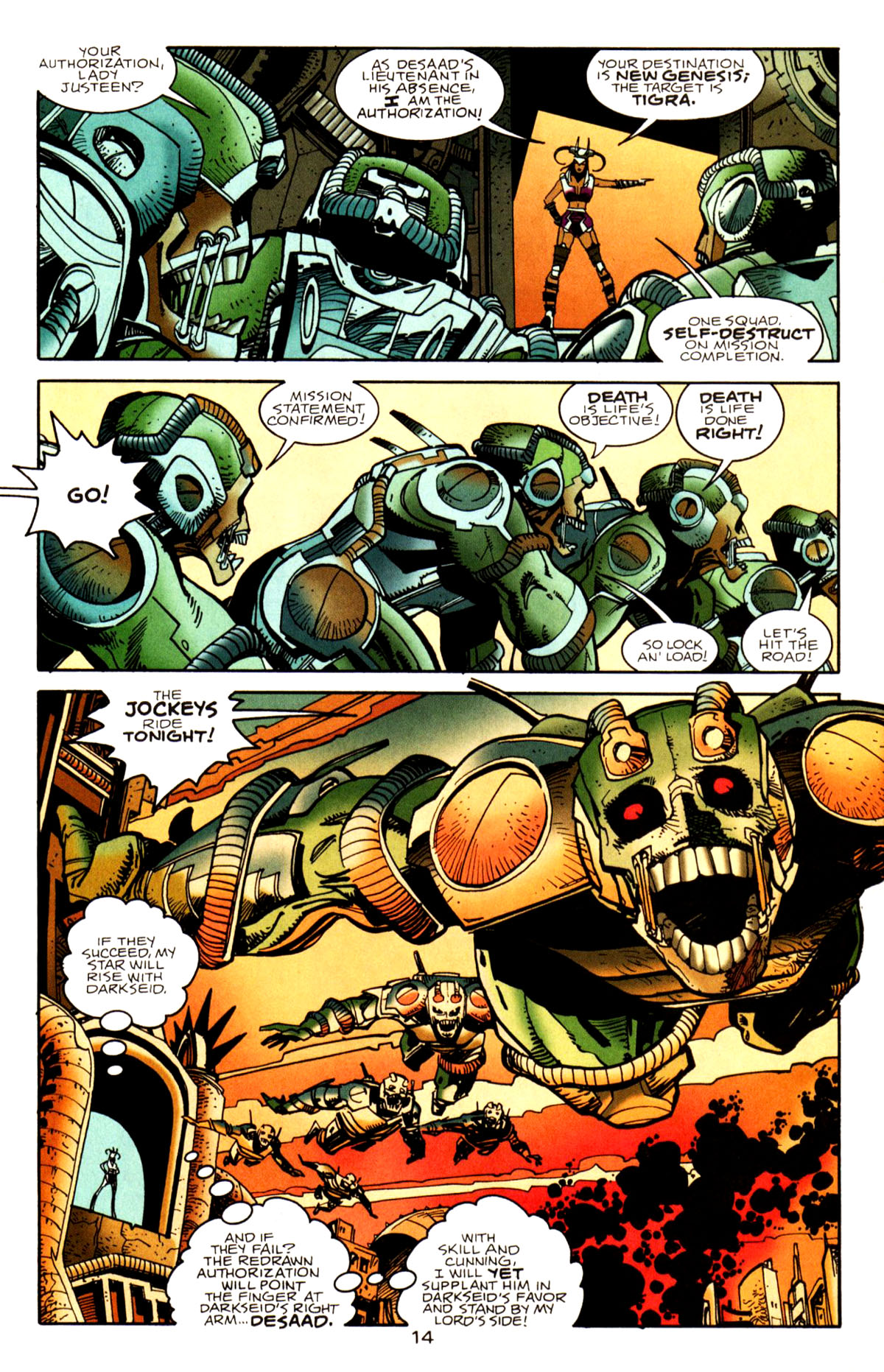
-Be Good: We’re reprinting Good Devils! Nick’s cover to Absolute Batman has been homaged all over the place, so we’re homaging the homage. It’s a good bit. Buy it! Please.
-Janet Todd vs Phetjeeja: This Muay Thai match is really fun. Emotional ending.
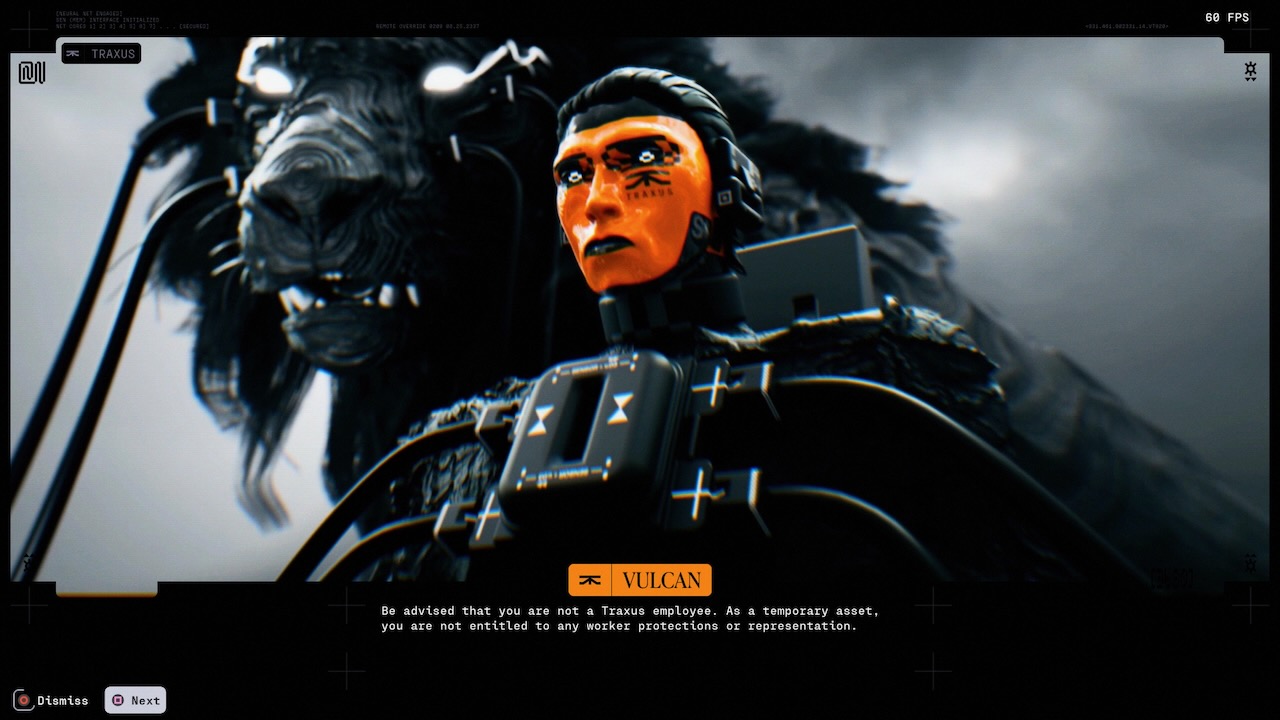
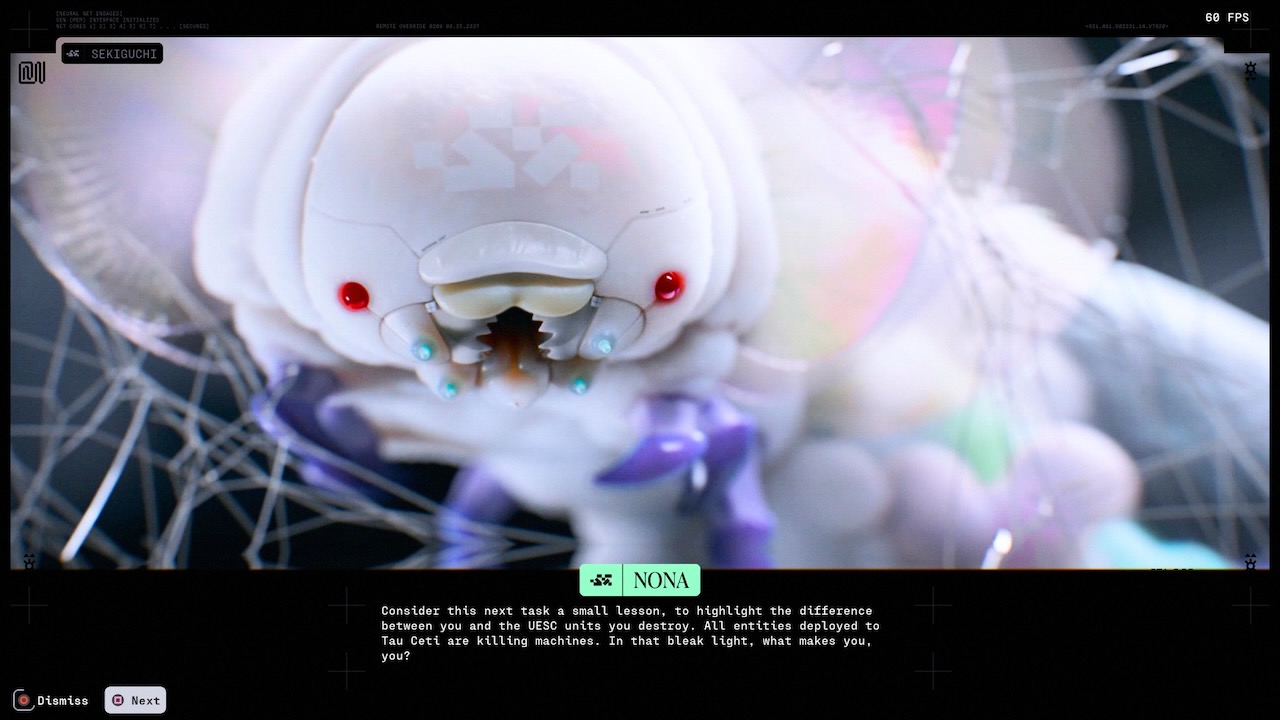
–Marathon update: The character cinematics for Marathon have been quite good. The one for the Vandal shell is exceptional. Fantastic vibes.
—
just under a week to go:
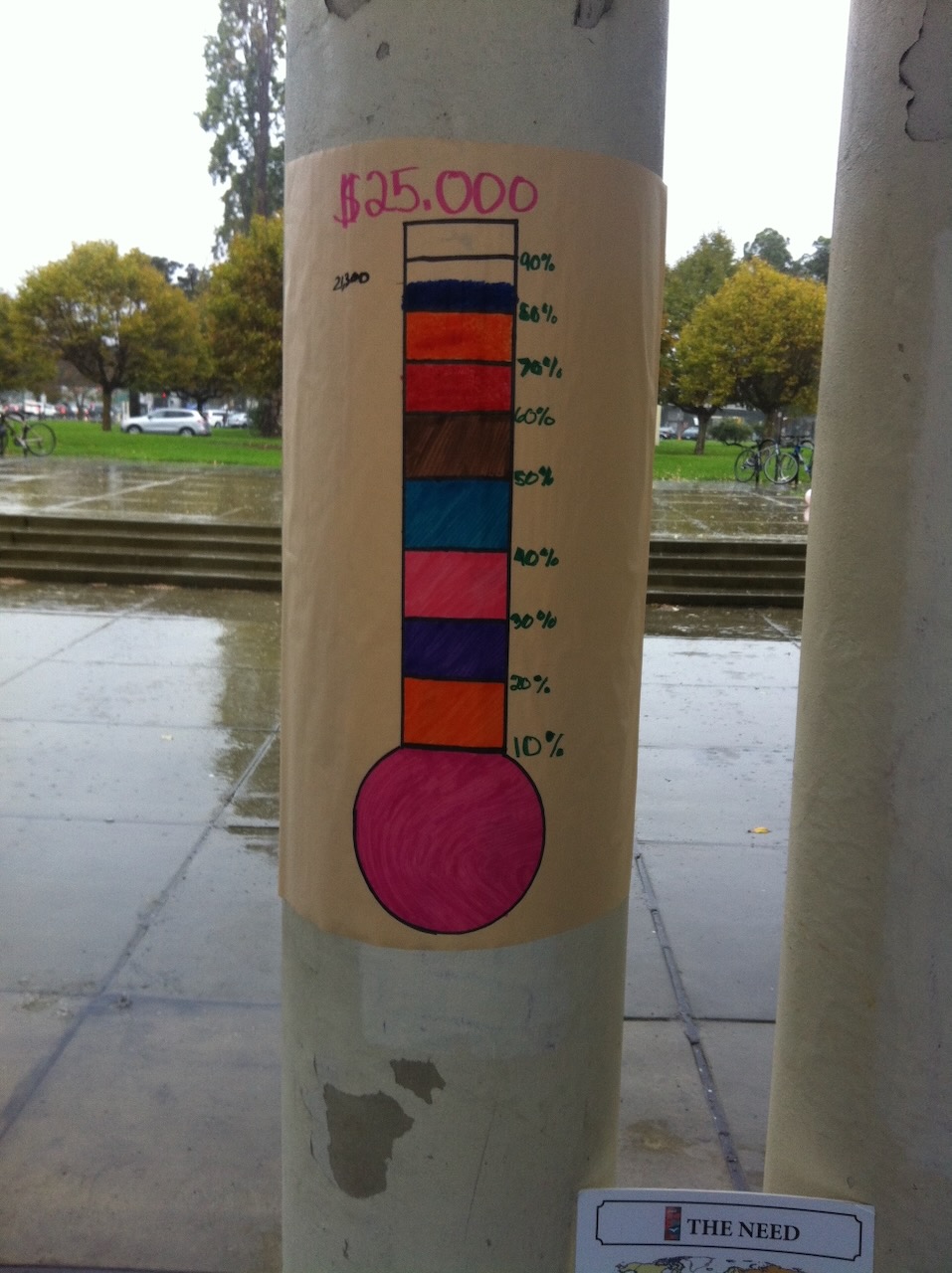
Branwyn and I are still raising money for At the Crossroads! The summer event changed shape a bit but everything bit of help we can give still helps. Please donate or share if you can, and you’ll help us do some good. If you can’t, please give some thought to supporting a similar group in your area. Somebody needs help everywhere, I think.
—
a preamble before we amble down a path:
Last year, I wrote three essays on Death Stranding 2 shortly after beating the game. I posted one as the fourth newsletter and then promptly got to work writing other stuff.
Here’s another one. The previous essay was about the music in Death Stranding, and this one is about the series more generally, but specifically from my point of view. I hope you dig it. There’s not really any spoilers in it, though I do talk about some themes from the game that resonated with me. It kind of turns into an essay about death, but hey, what isn’t ultimately about death, you know? Is it just me…?
—
on Death Stranding 2: the thing that time steals & turns to pain
Death Stranding and Death Stranding 2: On the Beach are expansive games, marriages of intricate but straightforward gameplay and cinematic storytelling techniques to create dozens of hours of myriad experiences. In the first game, Sam Porter Bridges’s mission is to reconnect post-apocalyptic America via what they call the “chiral network.” Death Stranding 2: On the Beach expands Sam’s mission to Mexico and then Australia.
There are a variety of themes and ideas to explore nestled within the games, little lessons and moments or side-stories and anecdotes, that reflect our lived experience back to us. Both games require me to move a ton of packages from A to B, and encourage me to find unique solutions using standard tools while also introducing tools and structures from other players into the collectively shared world. Sometimes I can see how several people tried to solve the same problem. There are even situations where one person obviously figured it out perfectly, and then everyone else followed their lead instead of seeking their own solution.
The passive multiplayer gameplay of Death Stranding makes the feel of both games uniquely my own and shared with a number of my fellow porters simultaneously. It’s a delicate balance that can trivialize deliveries or make them an extremely satisfying experience. Building roads all around the map makes it easier to get around, an admirable achievement in-game, but it reduces some of the charm of blazing my own trail in the process. It’s up to the player to define and police that boundary for themselves.
That personal touch in turn makes it easy to fall into the story from writers Hideo Kojima, Kenji Yano, Shuyo Murata, and Kota Watanabe. I could see my self in the characters and their struggles. I felt a sense of ownership over the digital world of Death Stranding because of my efforts to change it. Exploring the themes and stories in the game did an effective job of increasing that feeling via resonance or novelty.
One important aspect of the first game was the importance of human connection. The emphasis on this was presented in several ways, from how killing was emphatically discouraged by the gameplay and story alike to specific storytelling choices made during the ending sequences. The message of the first game is “We are in this together,” in a way, or “There is no we without us.” The death of a single human being is treated as something with grievous consequences, rather than being a routine byproduct of playing the game. The people Sam meets are mostly elated to have regular contact with others again, after spending a great deal of time in isolation.
The gameplay reinforces the story and the story reinforces the gameplay. One thing I think about a lot is that it took around ten hours for me to get my first gun in Death Stranding, and it didn’t matter at all by that point. I’d spent hours exploring non-lethal or pacifist solutions, and the gun was actually an unwelcome addition to the gameplay loop I’d embraced for myself. The game showed me what kind of game it could be, and I had already swung my train of thought in that direction. Being able to shoot people dead was beyond surplus to requirements.
The marketing copy and posters for the first game say “Tomorrow is in your hands.” It’s a double or triple word score as far as slogans go, one of those clever bits that draws a wry smile as the various ways it can be understood expand in-game. The future of humanity is in Sam’s figurative hands as he reconnects America, for instance, and there’s an ingénue in the second game named Tomorrow, played very well by Elle Fanning.
The tagline brings to mind the idea that humanity is one long relay race, each of us passing the baton from hand to hand, trying to get to the finish line. There’s cooperation there. Relay runners need to be in sync. The hand-off is a crucial moment, but everything between hand-offs matter, too. It’s another interesting situation, being simultaneously alone and in a crowd. Each runner has to do their individual best for the next person in line and depends on the person before them doing their individual best as well.
This isn’t strictly a genetic thing, though there’s obviously an element of that baked into the analogy. Outside of passing on DNA, it’s about culture. My parents, guardians, and friends hand their baton to me, as their parents, guardians, and friends did before them. We exist within, benefit from, and are occasionally harmed by our shared greater context. Kojima and company previously explored a related framework in Metal Gear Solid through the lens of Meme-Gene-Scene. For the purposes of this essay, we’ll agree that roughly maps to Ideas-Heritage-Location. Close enough for government work. Some things I am taught, some things I inherited, and some things are a consequence of my environment. The writers used this framework to explore the motivations of the characters as well as how our world works here in reality.
If Death Stranding is about the importance of human connection, Death Stranding 2 is about the importance of recognizing that connections naturally break. Friendships change and decades fade away or become hot to the touch in the wake of it. Relationships fall apart and tend to shatter despite the best efforts of the people in them. Parents die.
Sam begins Death Stranding carrying his mother’s body to an incinerator to prevent it from transforming into a Beached Thing, something fearsome from beyond the veil that is commonly known as a “BT.” Sam is pushed into throwing himself into his work by her death, and the arc of the game pairs Sam with new life in the wake of the recent death. At the beginning of Death Stranding 2, Sam’s daughter Lou is taken from him. Sam’s friends give him a chance to help a cause greater than himself using his unique skillset, giving him a safe place and the time to eventually come to terms with what’s happened to him and the people he loves. On Wu-Tang Clan’s “C.R.E.A.M.”, Inspectah Deck rapped, “…working hard may help you maintain/to learn to overcome the heartaches and pain.” Portions of Death Stranding 2 feel like those bars in action. But as the verse implies, working hard only helps us maintain—it’s not the cure. It’s not a tonic. Working hard makes sure that we keep putting one foot in front of the other until the wound has healed.
Growing up, death was only ever talked about as a permanent separation. A tragedy. Inevitable, but never natural. Young people die full of potential and much too soon. Old people die after valiant battles with implacable foes. We airbrushed t-shirts and stickered car windows to display our grief, sitting stoically and falling out into the aisles at funerals as needed. Death was the path to Heaven, but still one path we can’t walk back down.
(Not to say death, especially sudden death, couldn’t be funny. Richard Pryor’s “Black Funerals” is an old fave, though probably an ancient joke here in 2026.)
The characters and story of Death Stranding 2 provide an alternative. Here, in the game, the dead are with us and beside us forever, whether they are literally reaching from beyond the grave to interact with our world or figuratively carried in our hearts and memories. It draws a jagged line between presence and existence, for lack of a better dichotomy, with existence treated as something that lasts forever in various forms and presence as something ephemeral.
Life is very cheap. I could slip in the bath and wake up to a bunch of angels playing a song on the harp I don’t even like. Our friends and family are here for a short time, and learning to recognize that is a vital part of maturing. The game says that the time when we’re able to join together directly is something to be treasured, but not to the point that we lose sight of just how special the intangible connections are as well.
My grandfather taught me to ride a bike in a small town in Georgia in the early ’90s. I spent most of my childhood in that house, and we explored chess, action movies, and especially college football together. In 2025, I ride a bike around Lake Merritt in Oakland, California when I need a break and I don’t watch college football any more, but the Buckeyes still play the Wolverines not long after both of our birthdays, and it’s always a good day when Michigan takes an L. These feelings and experiences last forever. Our physical connection will eventually break.
What Kojima and the team are suggesting isn’t necessarily anything revolutionary or new. “Tomorrow is in your hands” is the same genre of slogan as “The children are our future.” But the message is delivered in an engaging way, one reinforced by the game over and over as being something normal and good the same way other games emphasize that switching weapons is faster than reloading. The cast is trying to help Sam, and while their methods aren’t always successful, or honestly even all that good, there is something worth contemplating about the way they’re going about things. I was moved by their attempts and the attention paid to his feelings, and how hammered Sam was by the tragedies he lived through. The deep surprise and melancholy of grief came through crystal clear for me.
There are other aspects of Death Stranding 2 that are very appealing, most especially the way the natural environment is designed, and then how the human element is integrated into that. But this is the bit that’s stuck with me the most, a couple weeks after beating it. If the first game was a call for connection, Death Stranding 2: On the Beach feels like a call for reflection or appreciation.
—
holy crap, I have a lot of homework to do:
Thanks for reading.
I’ve got one more of these, a more spoiler-y one about a moment in the game that made me really cry. Look forward to it…probably not four months from now. Soon, but not next. I gotta write about some other stuff first!
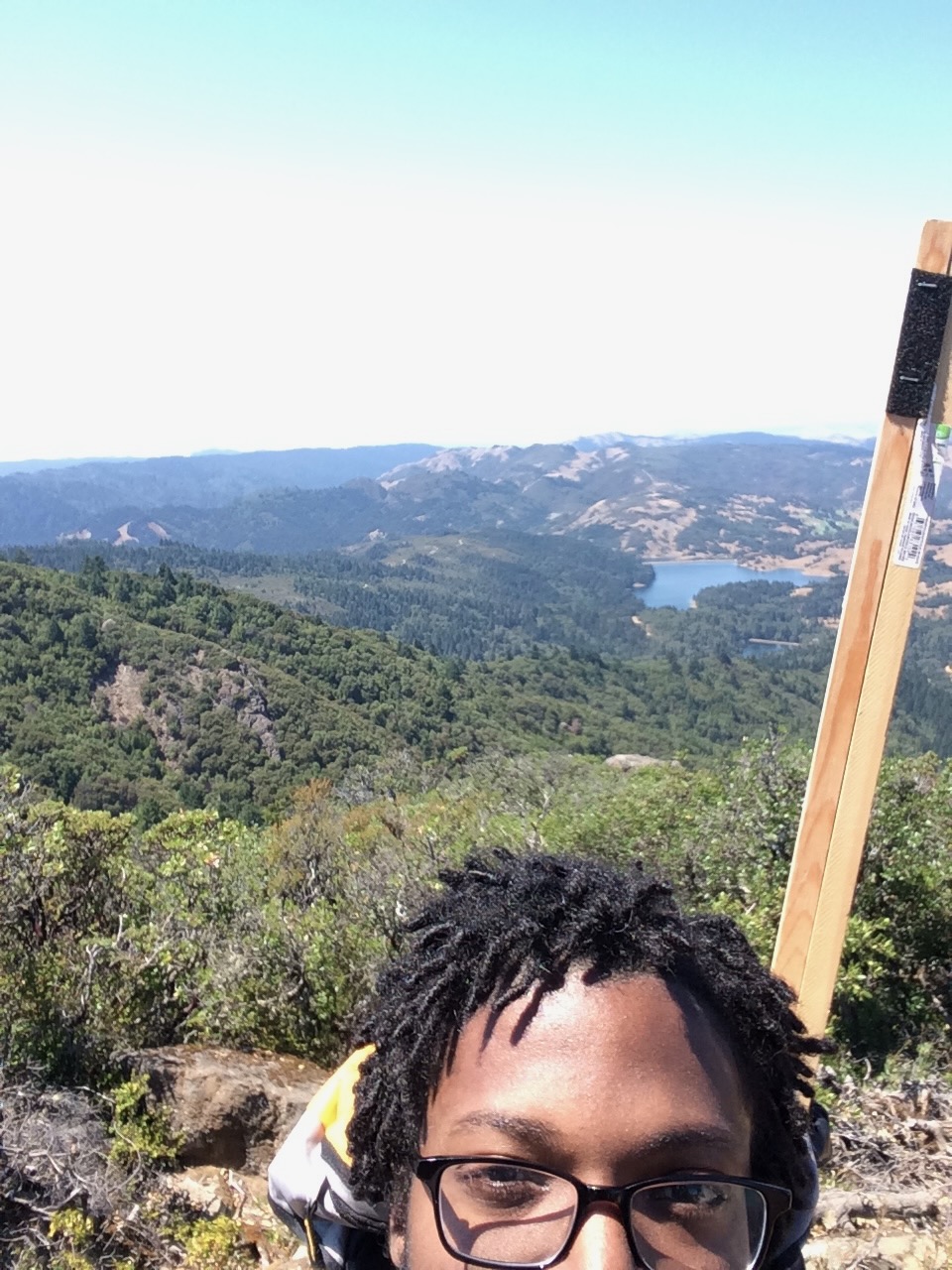
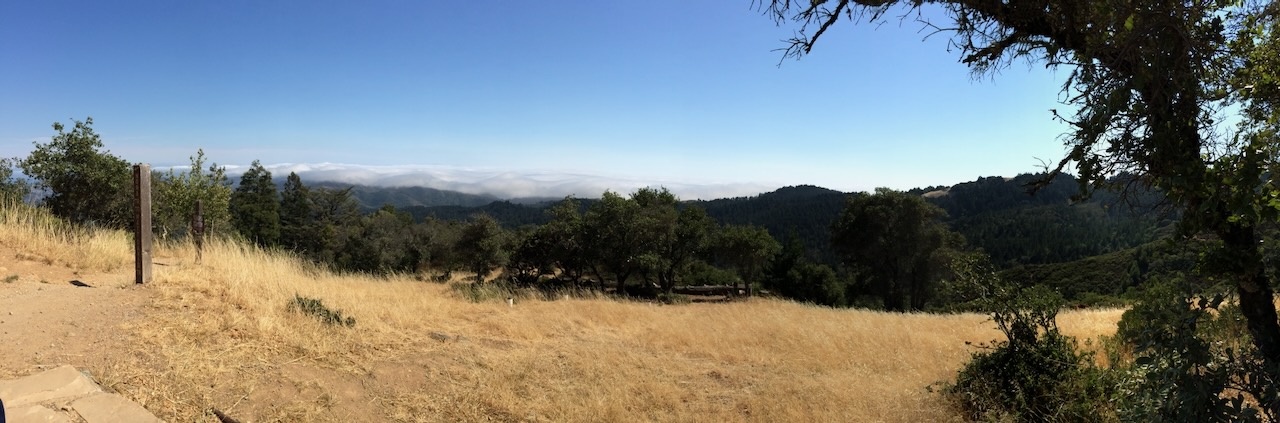
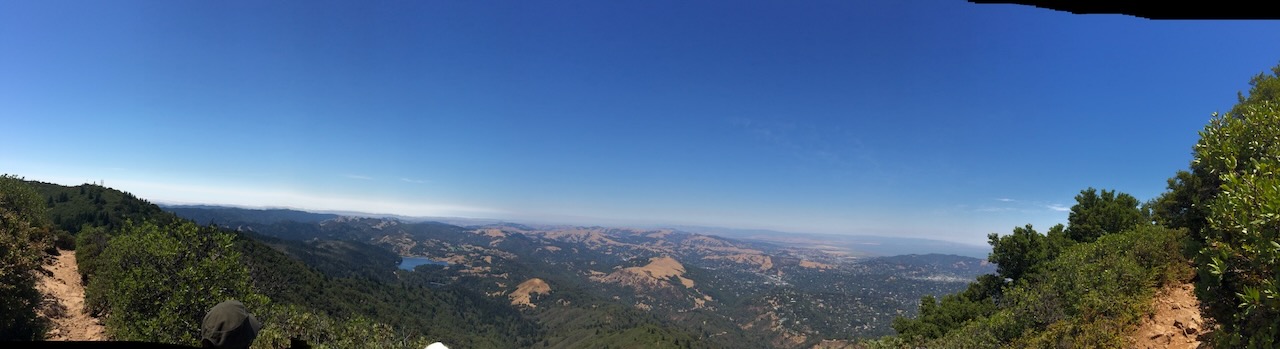
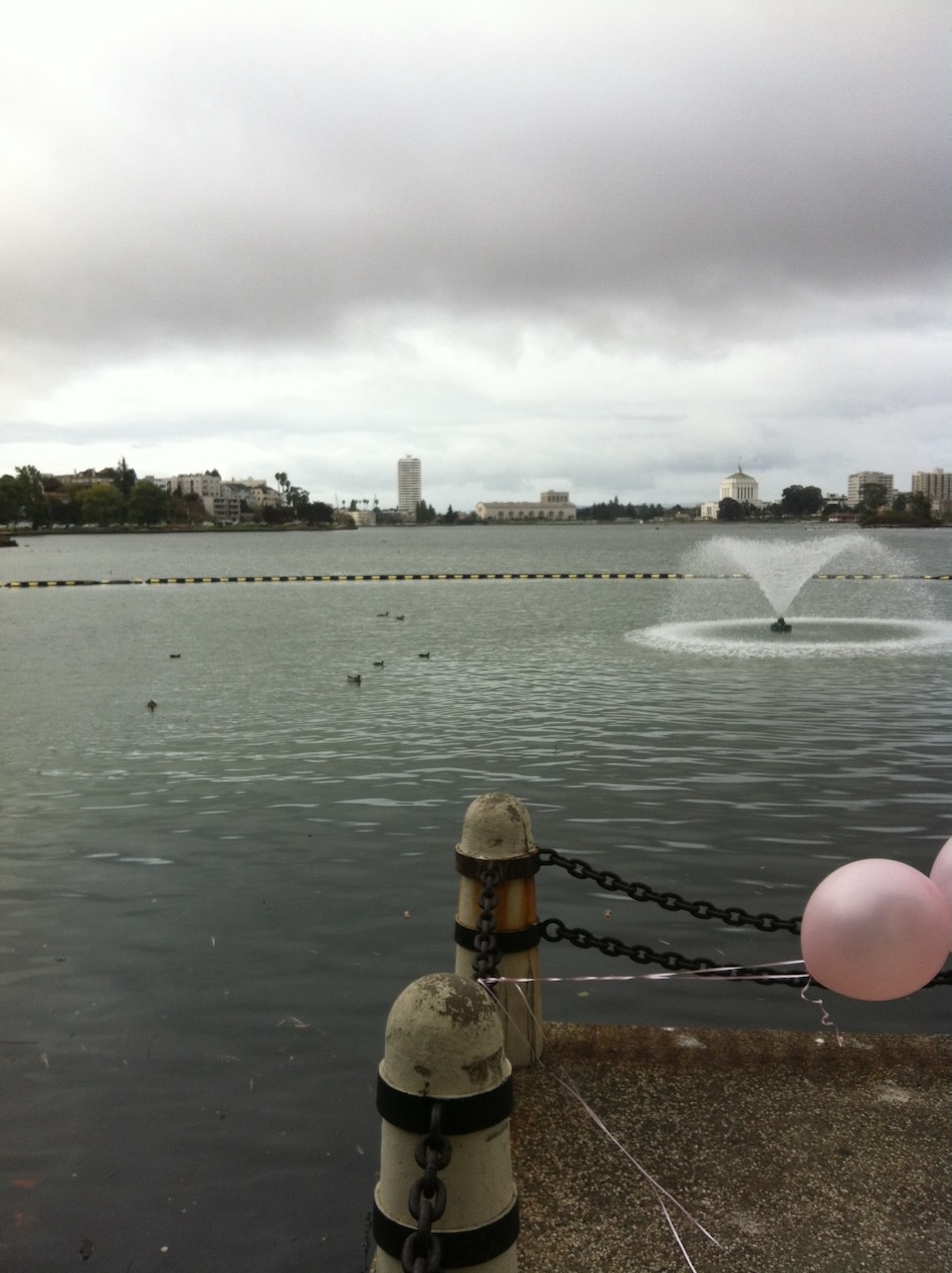
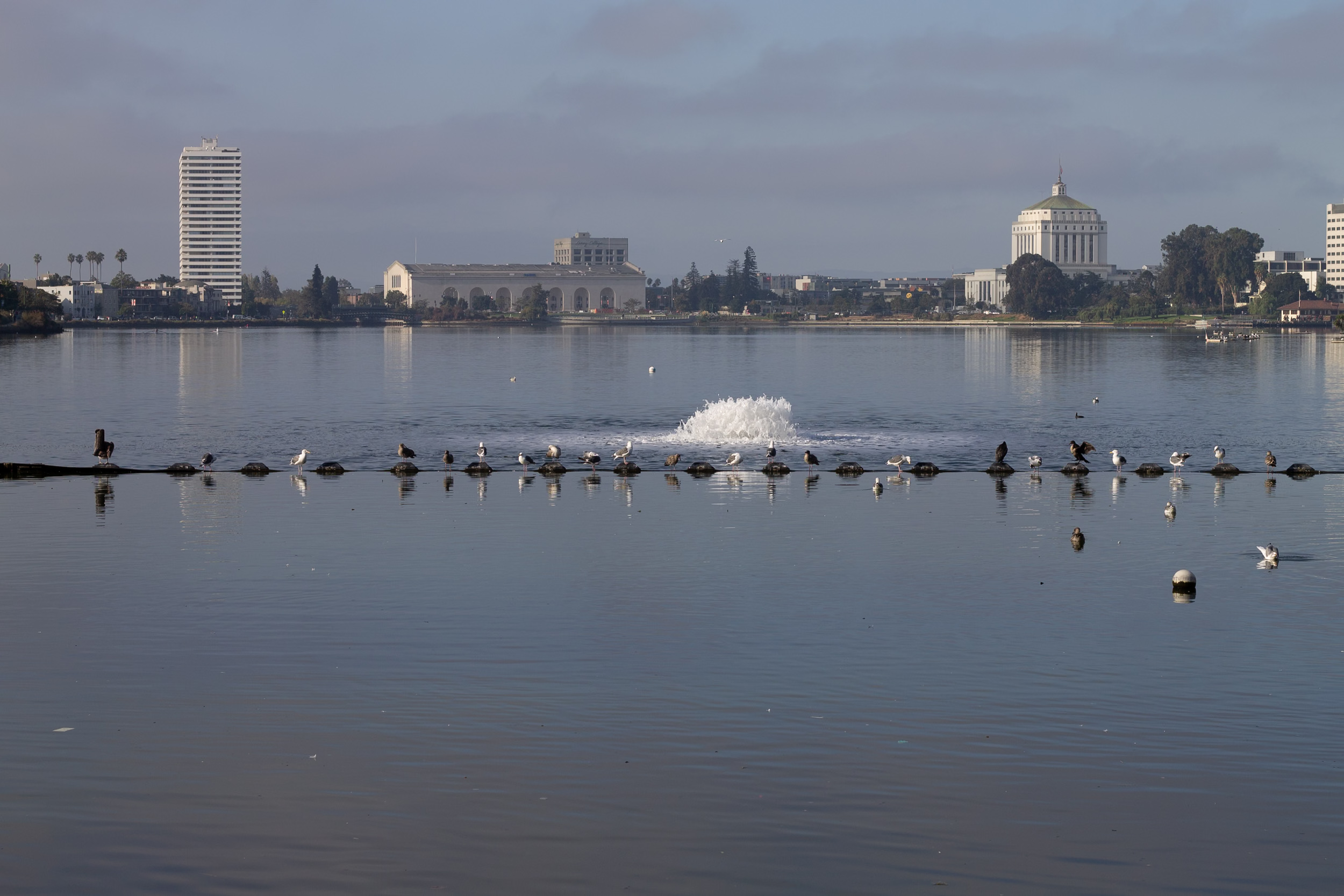
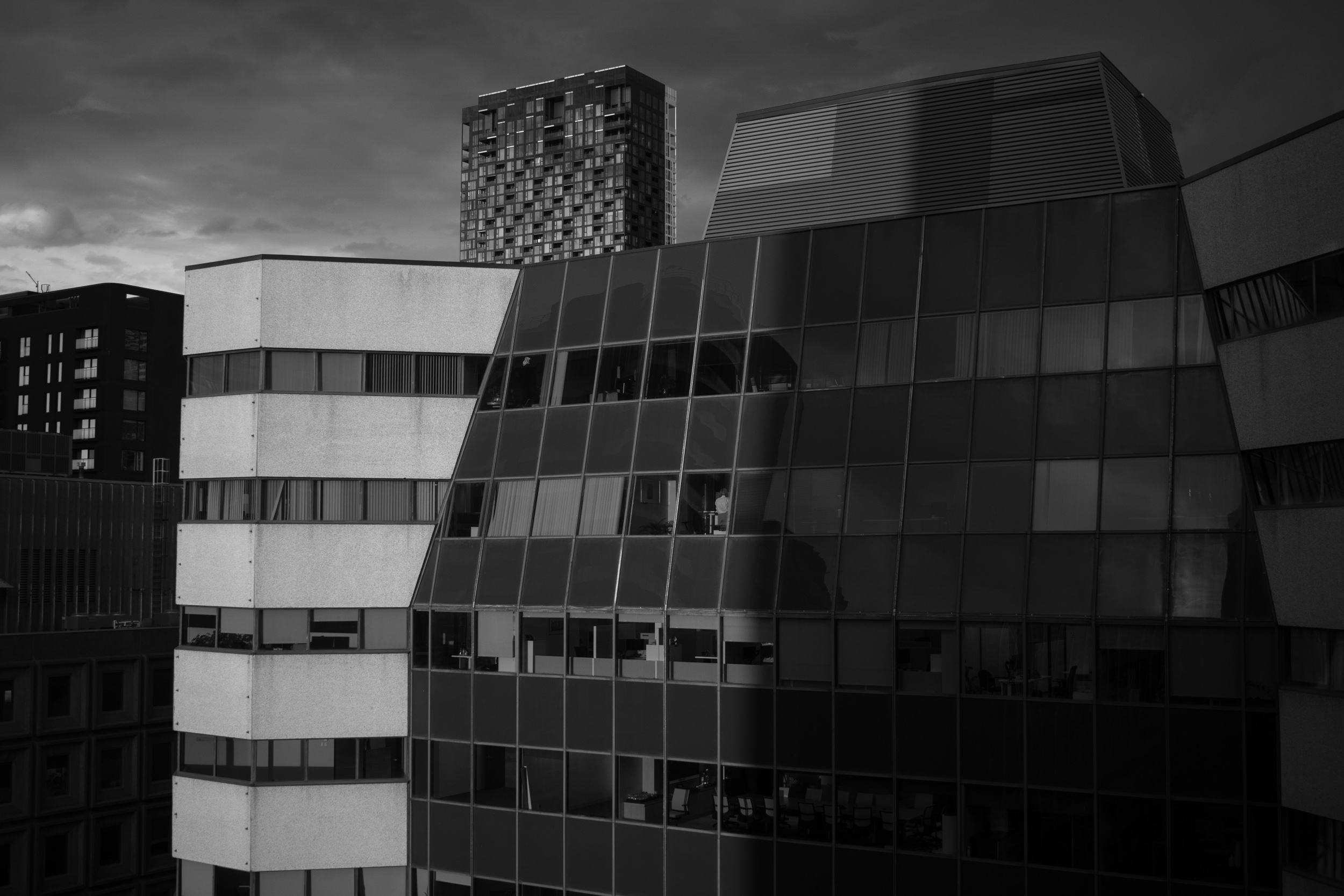
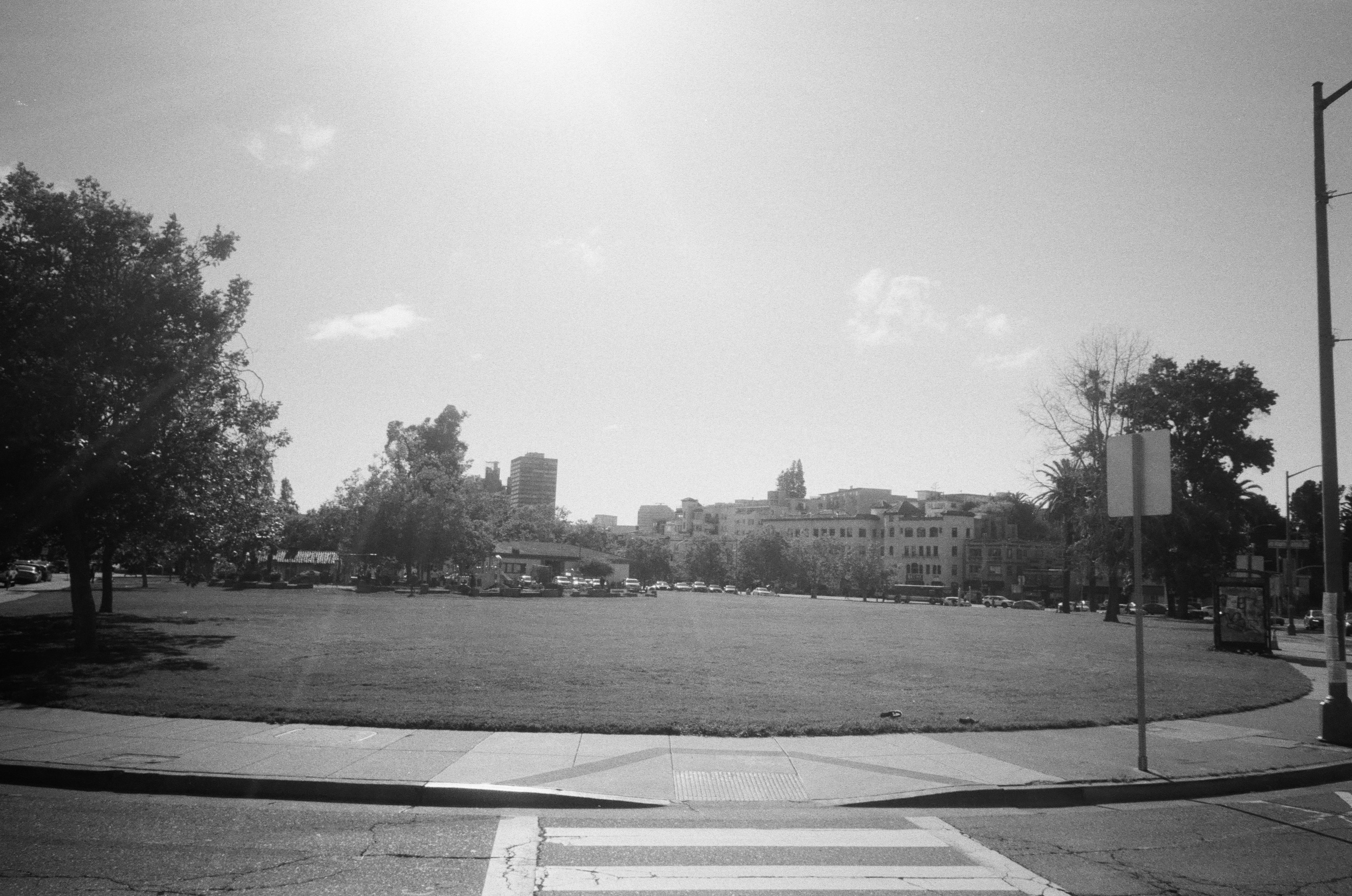
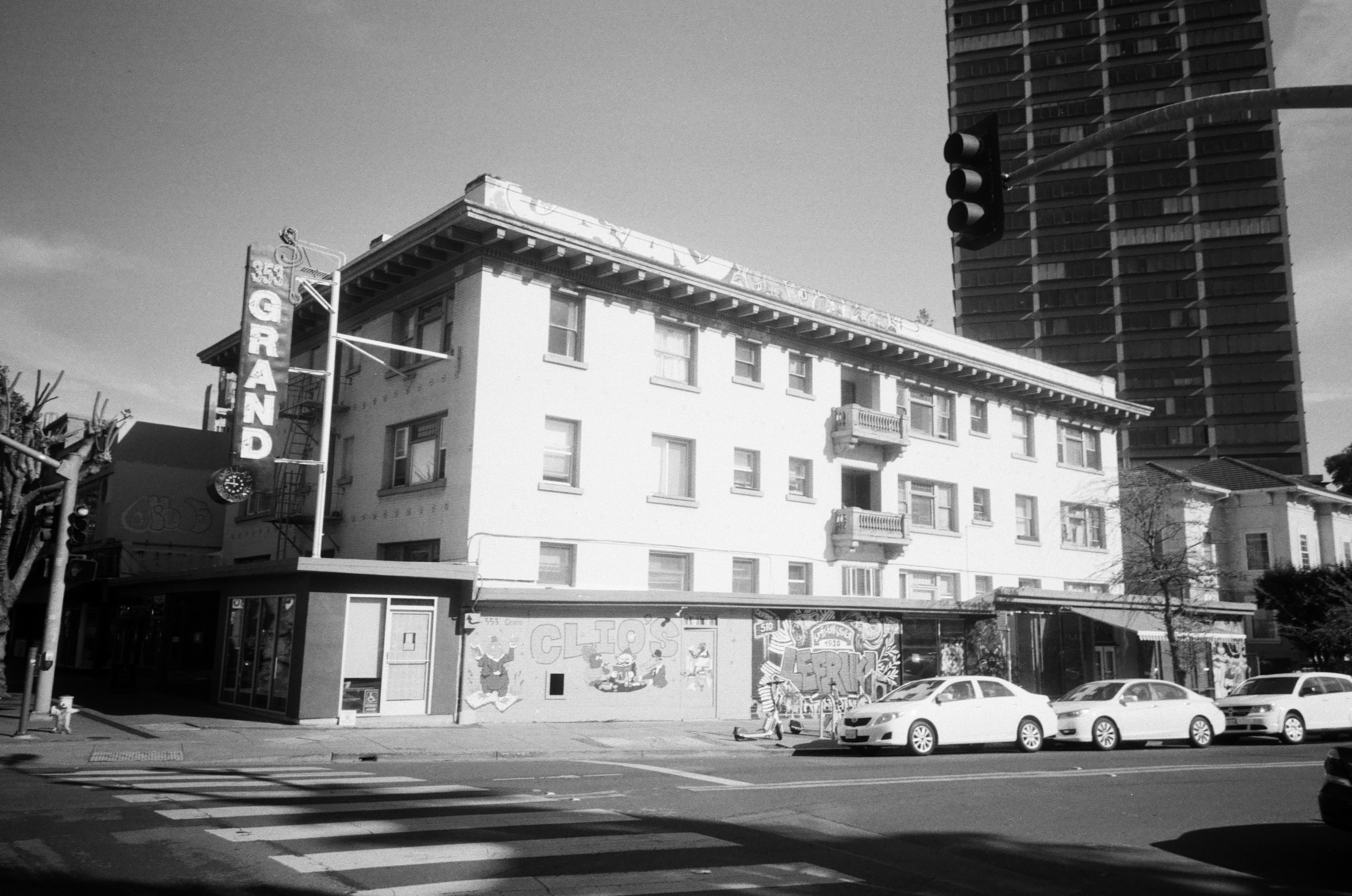
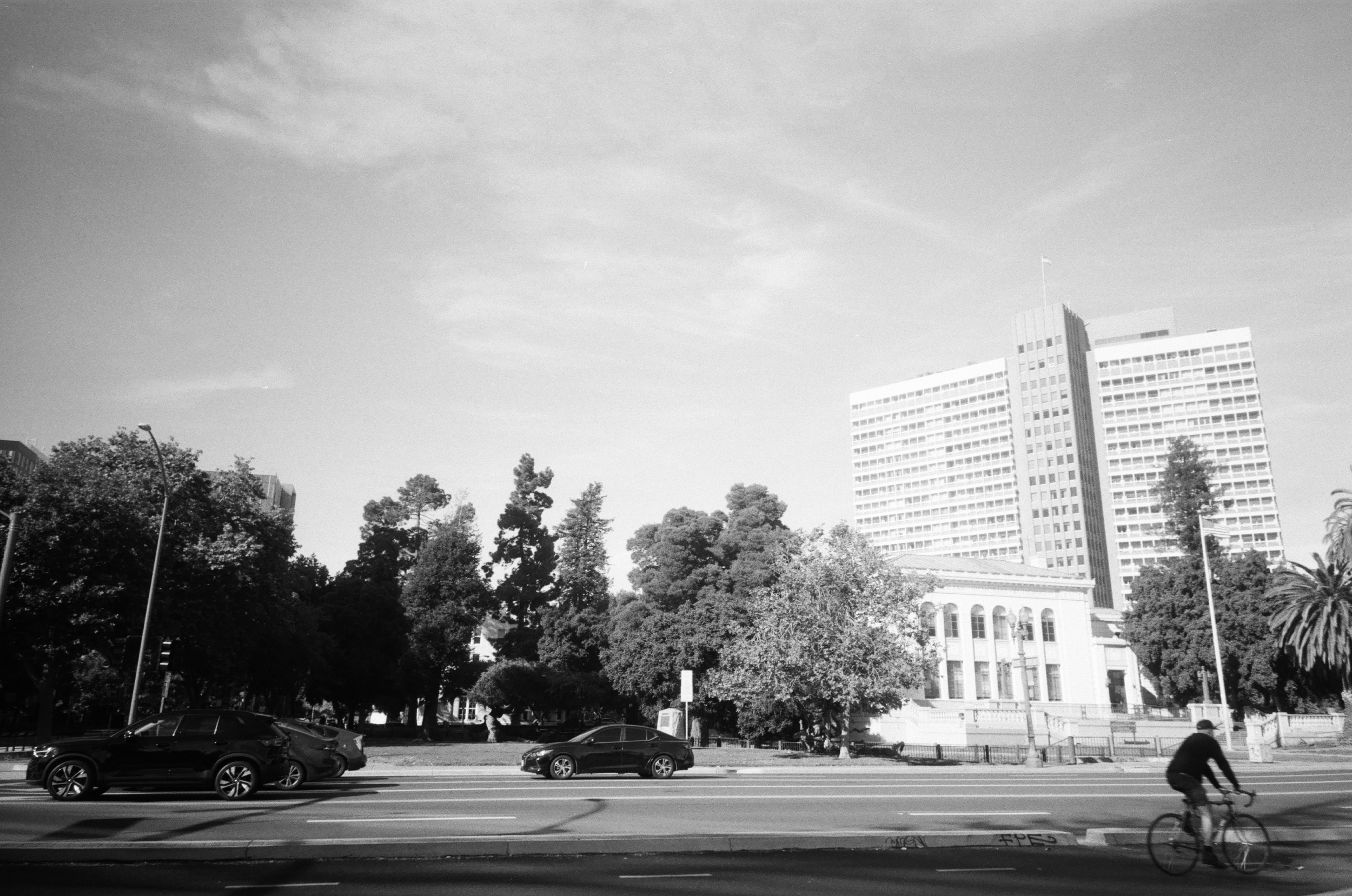
Here are some photos I took that I thought looked interesting. I’m still figuring out what I like to photograph, mostly by way of volume shooting. So far, shadows are really speaking to me. High contrast, too.
—
That’s it.